Energy Drinks
10 Sea Buckthorn Juice Benefits Worth Knowing About
03 Sept 2026 • Amisha Surana
Sea buckthorn juice earns its reputation on nutrition, not marketing. The berry is one of the very few plants that carry Omega 3, 6, 7 and 9 together, it is a good source of Vitamin C, and it also supplies Vitamin E, carotenoids and flavonoids. That combination in a single small orange fruit is genuinely unusual.
What follows is a straight list of the reasons people keep a bottle in the fridge. If you are starting from scratch, a plain explanation of what the juice is makes the better first read. None of this is a promise about any illness, and none of it replaces a doctor's advice. It is simply what the juice brings to the table as food.
Where sea buckthorn grows
Sea buckthorn grows in cold, high-altitude regions, and in India that mostly means Ladakh, Himachal Pradesh and Spiti. It survives thin air, hard winters and poor soil, which is part of why the fruit is so concentrated. Harvesting is slow and largely manual, because the branches are thorny and the berries are small and delicate.
That origin matters when you compare products. A juice made from Himalayan fruit and pressed without sugar tastes tangy and looks cloudy, and both of those are normal. You will find that profile across our nutritional juices range.
Ten reasons people include Sea Buckthorn juice in their routine
- All four omegas from one plant. Very few plant foods contain Omega 3, 6, 7 and 9 together. Most people get their fatty acids from several different sources, so a single fruit covering all four is worth noting.
- Omega-7, the uncommon one. Palmitoleic acid is rare in the plant world. Sea buckthorn is one of the better-known plant sources of it, and it is the nutrient most often associated with the berry.
- A good source of Vitamin C. Vitamin C is water soluble, which means the body does not stockpile it and daily intake matters. People often add sea buckthorn to their day for exactly this reason, alongside the rest of our immunity focused range.
- Vitamin E as well. Vitamin E is fat soluble and behaves quite differently from Vitamin C, so having both in the same fruit is a useful bit of variety in a diet.
- Carotenoids, including beta-carotene. These are the pigments behind the berry's deep orange colour. They are a normal and welcome part of a diet built on colourful fruit and vegetables.
- Flavonoids. These plant compounds are found across fruits, teas and vegetables, and sea buckthorn contributes its own share.
- Naturally low in sugar. Unlike most fruit juices, sea buckthorn is not naturally sweet. Biosash juices add no sugar at all, so what you taste is the fruit and nothing else.
- Part of a skin and hair routine. Skin is built and maintained from the nutrients you eat, and Omega-7 is a fatty acid the body uses in maintaining skin and mucous membranes. That is why sea buckthorn turns up so often in skin and beauty conversations, both as a drink and as an oil.
- A practical way to eat fruit on a packed day. Not every day allows for a proper plate of fruit. A measured dose of juice in water takes seconds and asks nothing of your morning.
- A long tradition behind it. Sea buckthorn has been used for generations in Himalayan, Tibetan and Ayurvedic practice. Tradition is not proof of anything, but it is a real part of why the berry is known at all.
How people usually take it
The common pattern is small and regular rather than occasional and large. Biosash suggests 10 ml in the morning and 10 ml in the evening, mixed in water, about twenty minutes before meals. Diluting it well matters, because the juice is acidic and neat sips are hard on the palate.
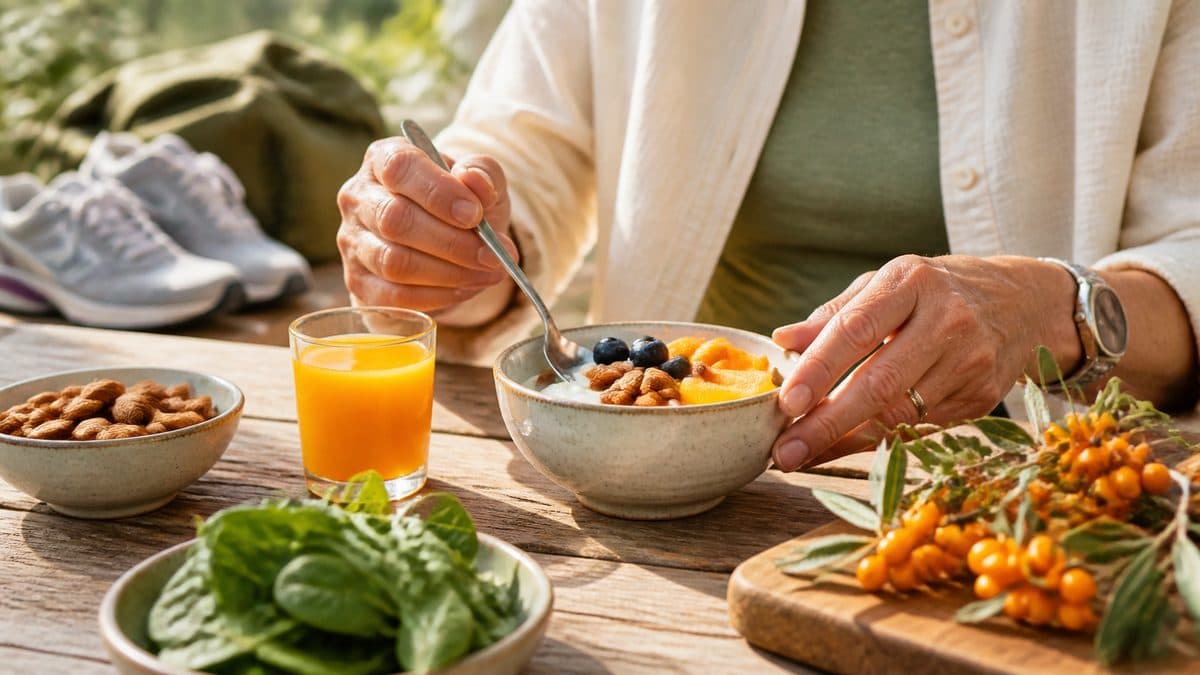
Consistency does more than quantity here. A small glass taken most days sits far better in a routine than a big serving taken twice a month. Keep the bottle somewhere you will see it, which for most households means the fridge door.
What Sea Buckthorn juice is not
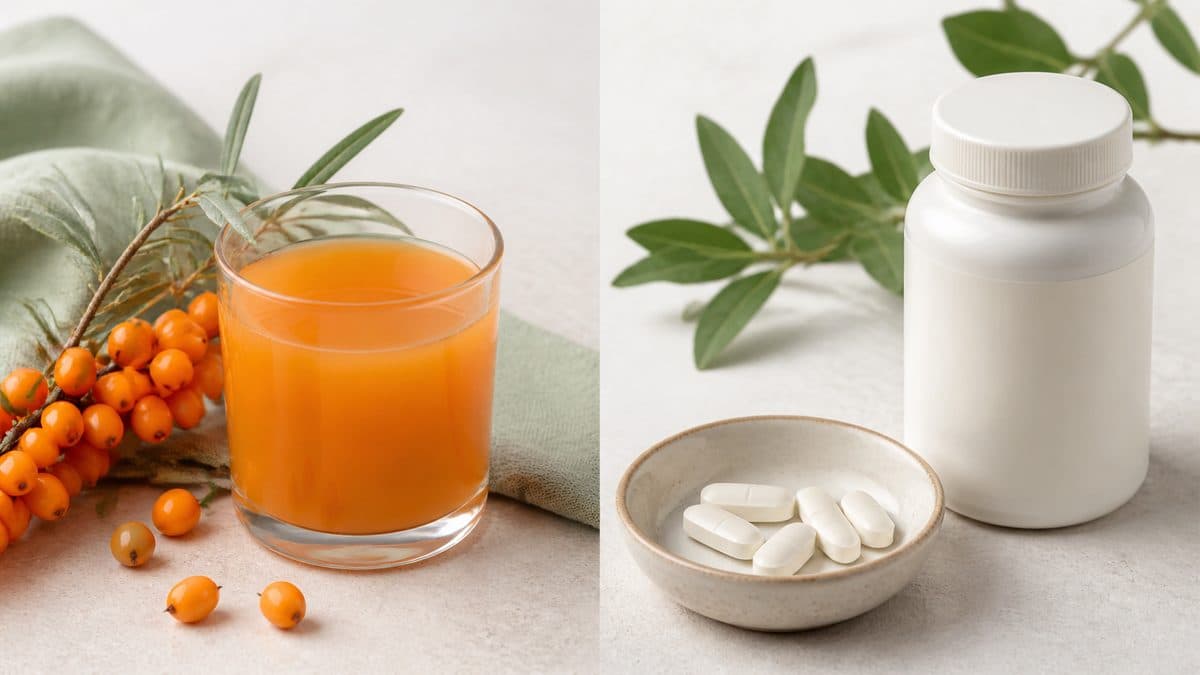
It is a food, not a fix. It does not act on any disease, it does not replace medicine, and it does not compensate for a diet that is otherwise short on vegetables, protein and sleep. It is also not a stand-in for a supplement someone has specifically advised, which is a comparison worth making on its own terms. Anyone selling it as a cure for something specific is overreaching, and you should read that as a warning about the seller.
It also is not a fair swap for whole fruit. Juice is convenient and useful, but the fruit bowl still deserves its place. Think of the two as working alongside each other.
Reading the label before you buy
Sea buckthorn commands a premium, so dilution is the usual shortcut in this category. A few checks cover most of it:
- Look for sea buckthorn near the top of the ingredient list, not buried after water and apple juice
- Check for added sugar, sweeteners, artificial colours and artificial flavours
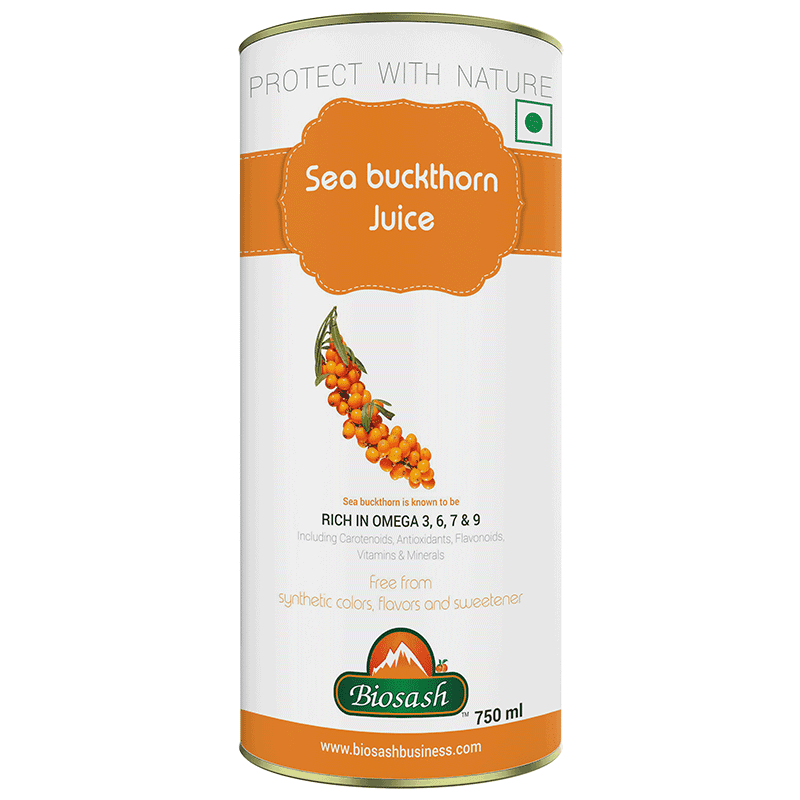
- Look for manufacturing and testing details, such as WHO-GMP certified manufacturing and batch testing at a NABL-accredited laboratory, which is how Biosash juices are made
- Expect natural sediment and a tangy taste, and be sceptical of a version that tastes like a soft drink
A sensible way to start
Buy a small bottle first and see whether the taste and the routine suit you before committing to a large one. Give it a few weeks. If you are weighing it against the tart Vitamin C fruit most Indian kitchens already know, amla is the obvious comparison to read next. If you have an existing health condition or take regular medication, check with your doctor before adding anything new.
The honest summary is that sea buckthorn juice is an unusually well-stocked fruit in a convenient form. Treat it as a good addition to a decent diet, not as the thing holding the diet together, and it will earn its place easily enough.