Health and Wellness
Ladakh vs Imported Sea Buckthorn: Does Origin Matter?
08 Sept 2026 • Amisha Surana
Sea buckthorn grown in Ladakh and sea buckthorn imported into India are not the same product, and the difference is not patriotism. It comes down to where the plant grew, how long it took to reach a bottle, and what happened to it on the way.
Both can be sold legally. Both can say "sea buckthorn" on the label. Only one of them can tell you the name of the valley.
Why origin changes the fruit
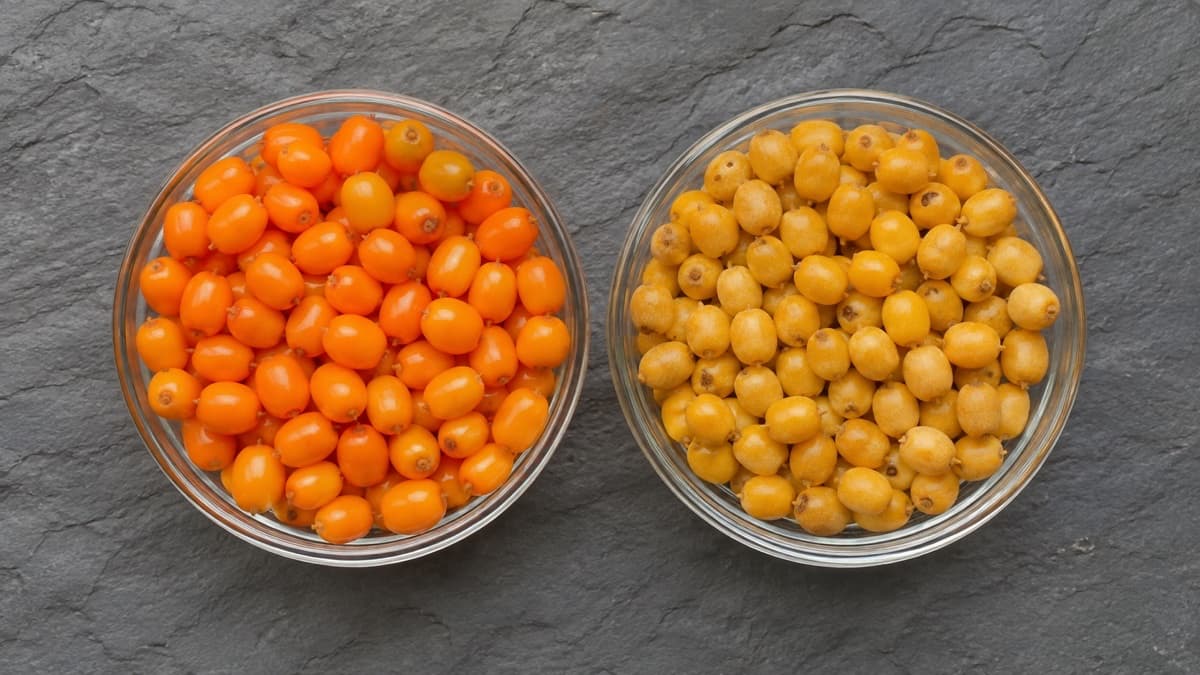
Sea buckthorn is not one uniform berry. The species grows across a wide belt from Europe through Russia, China, Mongolia and the Himalaya, and the subspecies differ. Altitude, cold, soil and ultraviolet exposure all push the plant to produce different amounts of oil, vitamin C and antioxidants.
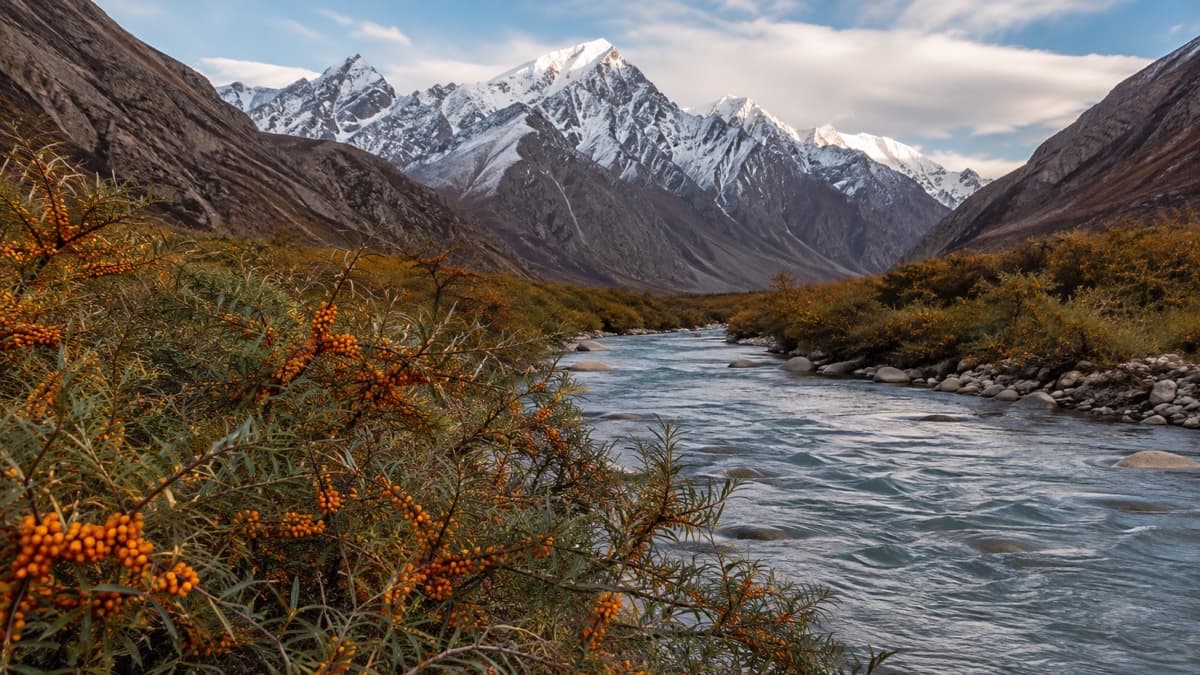
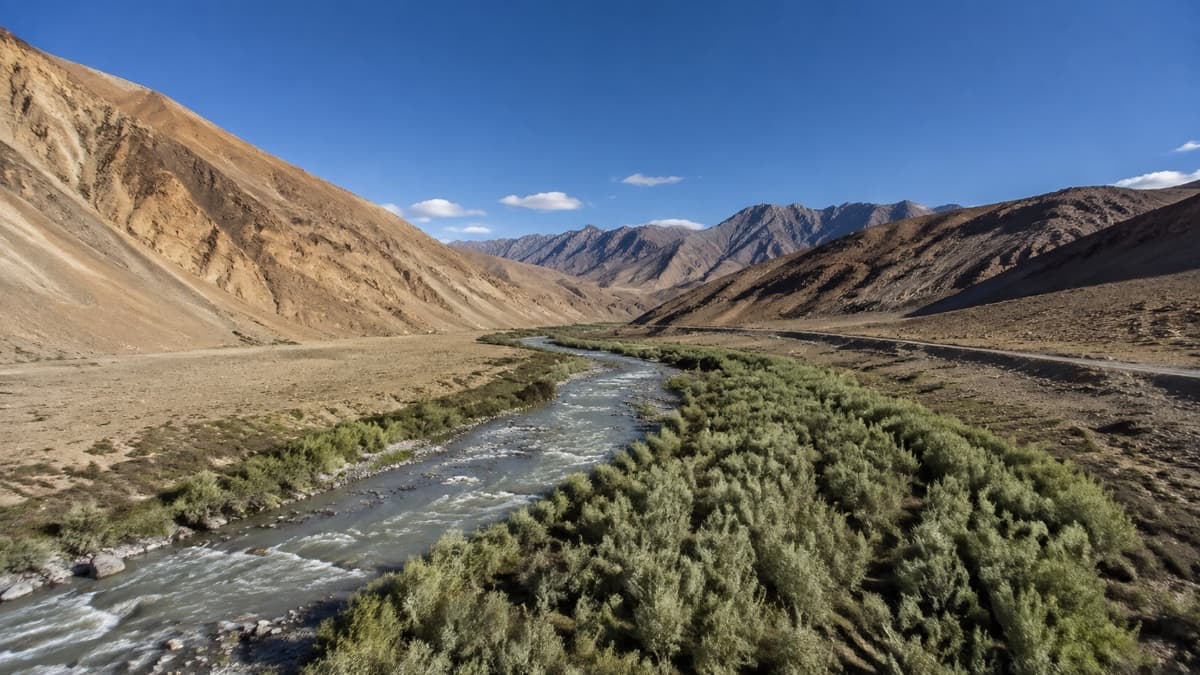
The Ladakhi belt sits above 10,000 feet in a cold desert with intense sun and very clean air. Fruit grown under that kind of stress is generally denser in the compounds people take sea buckthorn for. Research groups have compared material from different countries over the years for exactly this reason.
That said, it is worth being careful here. Comparative figures move around depending on the study, the season and the exact subspecies tested. Anyone quoting a single decisive number for every batch is overstating what the science supports.
The distance problem
Imported sea buckthorn usually arrives as concentrate or pulp rather than as fresh fruit. That is a practical necessity — fresh berries cannot survive a long journey — but it introduces steps.
Time between picking and processing
Sea buckthorn begins to lose nutritional value soon after it leaves the branch. The gap between harvest and processing is one of the biggest single influences on what ends up in the bottle. Fruit processed close to where it grew has a short gap. Fruit that crosses a border does not.
Concentration and reconstitution
Concentrate is made by removing water, shipping the rest, and adding water back later. It is a normal food-industry process and there is nothing dishonest about it in itself. But heat is usually involved, and heat is not kind to vitamin C or to delicate oils.
This is the real difference between a juice you will feel something from and one you will not. It is not the country on the label. It is how many times the fruit was heated and how long it waited.
You can check this yourself
Search for how many shipments of sea buckthorn have entered India, and the number is public. It is worth doing, because it puts a limit on how much imported material is circulating, and it makes a useful question to ask any brand: is your fruit Indian, and from where?
A brand sourcing from Ladakh, Himachal or Spiti can answer in one sentence. A brand that cannot name a region is usually not being coy — it simply does not have the answer.
What actually matters more than origin
Here is the part most comparisons leave out. Ladakhi fruit handled badly is worse than imported fruit handled well.
Origin sets the ceiling. Processing decides how much of that ceiling reaches you. If the berry is picked at altitude and then boiled, sweetened and diluted, its origin has stopped mattering.
So the honest hierarchy is: how it was processed, then where it came from, then everything else. A juice worth buying should be able to answer both.
The questions that separate them
Four questions do most of the work:
Which region did the fruit grow in? Was it processed as whole fruit or reconstituted from concentrate? Is sea buckthorn near the top of the ingredient list, or is water and apple juice? And is there added sugar, colour or flavour?
Those four are also the checks we would suggest for any brand, ours included.
Where we stand
Biosash sources from Ladakh and has held organic certification since 1993. Manufacturing is WHO-GMP certified and batches are tested at a NABL-accredited laboratory. Our juices carry no added sugar, artificial colours, flavours or sweeteners.
None of that makes imported sea buckthorn fraudulent. It simply means that when we say Ladakh, there is a valley behind the word — and you are welcome to see the paperwork.