
Energy Drinks
Sea Buckthorn Juice for Eye Health: The Vitamin A Connection
14 Sept 2026 • Riddhi Jain
Sea buckthorn gets mentioned in eye health conversations because of its carotenoids, particularly beta-carotene, which the body converts into vitamin A. Vitamin A is a nutrient the body uses in maintaining normal vision, so the link is a nutritional one rather than anything dramatic.
That is worth stating plainly at the start, because a lot of writing on this subject overpromises. Food supports the raw material your eyes are built and maintained from. It does not replace an eye test, and it does not undo a long day of staring at a screen.
What vitamin A actually does in the eye
Vitamin A plays a role in the light-sensing chemistry of the retina, which is what allows the eye to adjust and see in dim conditions. It is also used in keeping the surface of the eye and other mucous membranes in good condition. These are ordinary maintenance jobs, running quietly all the time, and they need a steady supply of the nutrient rather than an occasional burst.
Vitamin A is fat soluble. That single fact explains a lot of practical advice around it, including why a carrot eaten with a little fat does more for you than a dry one, and why very low fat diets can quietly work against people who otherwise eat well.
Beta-carotene and preformed vitamin A are not the same thing
Two routes to the same nutrient
Preformed vitamin A, known as retinol, comes from animal sources such as liver, egg yolk, milk and ghee. The body can use it directly. Beta-carotene and other carotenoids come from plants, and the body converts them as required. That conversion is regulated, which is part of why plant carotenoids are generally an easy, everyday way to keep intake ticking along.
Colour is a rough guide
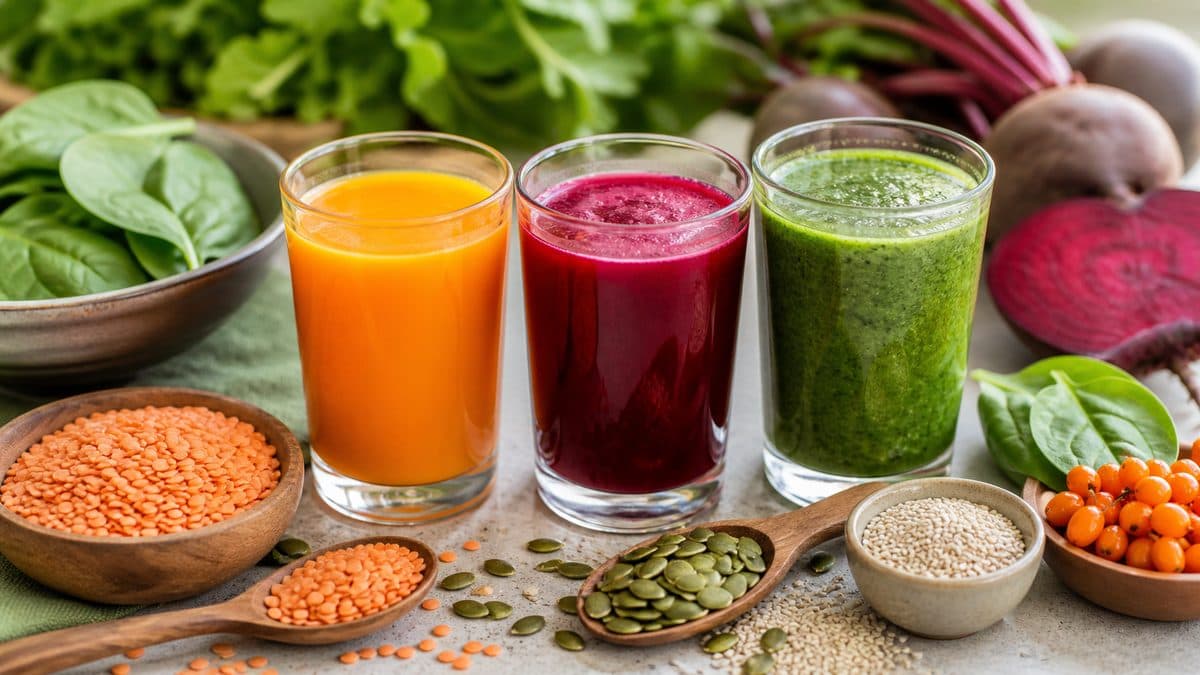
Carotenoids are pigments, so orange, yellow and deep green produce tends to be where they are found. Carrot, pumpkin, sweet potato, papaya, mango, drumstick leaves and dark leafy greens are the familiar Indian sources. Sea buckthorn belongs to this group too, and its bright orange colour comes from the same family of pigments.
What else in the Sea Buckthorn berry matters here
Sea buckthorn is not a one-nutrient food, which is largely why it is interesting. Alongside carotenoids, it is a good source of vitamin C and contains vitamin E and flavonoids. It is also one of very few plant sources containing Omega 3, 6, 7 and 9 together, and it is notably rich in Omega-7, a fatty acid the body uses in maintaining skin and mucous membranes. That same broad profile is why the berry also comes up when people ask about nutrition and hair.
Since the surface of the eye is a moist membrane, that combination is the reason the berry keeps appearing in eye-related discussions. Read it as a nutrient profile that overlaps with normal eye maintenance, not as a treatment for anything. Anyone dealing with an actual eye complaint should see a doctor or an optometrist about it.
Daily habits that matter as much as diet
Nutrition is one input. For most people working long hours on a laptop or phone, the bigger daily variables are behavioural:
- Look away from the screen at something far away, regularly, so the focusing muscles get a break.
- Blink consciously during long screen sessions. People blink far less when concentrating.
- Put the screen slightly below eye level rather than above it.
- Light the room, rather than working with a bright screen in a dark room.
- Wear proper sunglasses in strong sun instead of squinting through it.
- Get a routine eye check even when nothing feels wrong.
None of that is glamorous, and all of it does more for daily comfort than any single food will.
How people actually drink Sea Buckthorn juice
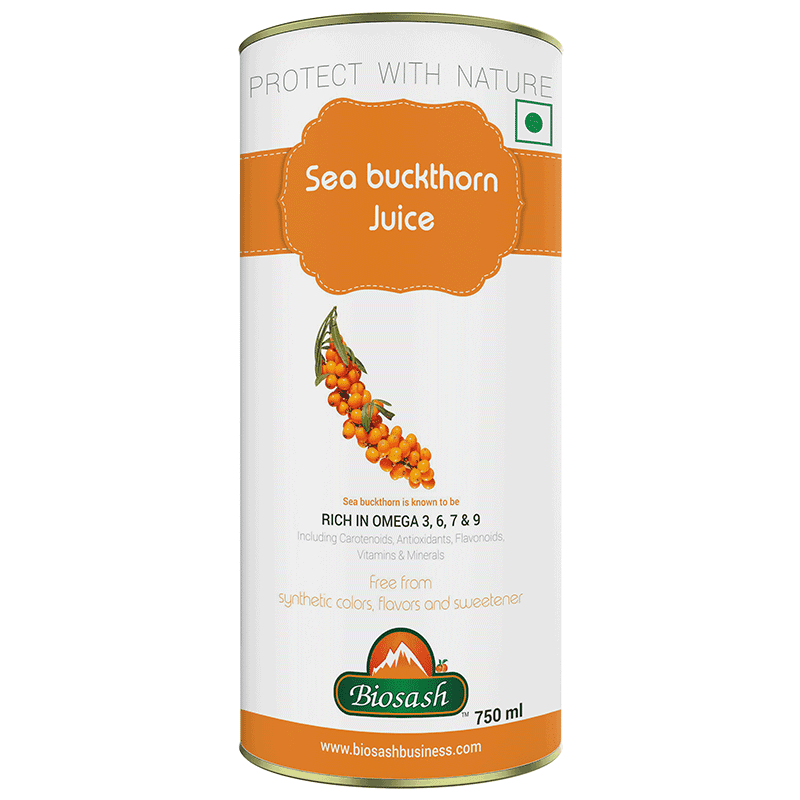
Sea buckthorn juice is tangy and quite acidic. That sharpness is characteristic of the berry rather than a defect, and the reason behind the tang is simple enough once you know what the fruit carries. It is still the main thing first-time drinkers react to. The usual approach with Biosash juice is around 10 ml in the morning and 10 ml in the evening, mixed into water, roughly twenty minutes before a meal. Diluting it well makes the taste far more manageable.
The berry is naturally low in sugar, and Biosash juices are made without added sugar or artificial colours, flavours and sweeteners, so what you taste is the fruit itself. Sourcing is from Himalayan sea buckthorn, with manufacturing under WHO-GMP certification and batch testing at a NABL-accredited laboratory. If you want to see the format options, they sit within the nutritional juices range, and there is a dedicated healthy eyes grouping for anyone browsing by concern.
Setting sensible expectations
Nutrition works slowly and quietly. You are not going to feel a juice working on your eyes, and you should be suspicious of anything that claims otherwise. The same applies wherever nutrients meet slow-moving tissue, which is exactly the point made about bone health and diet. What a nutrient-dense drink does is make it a little more likely that the raw materials your body needs are available when it needs them.
It also fits into a wider pattern. People who take an interest in what they eat usually sleep better, move more and take breaks, and those things all add up. Treating a juice as one part of a routine gives you a much fairer picture than treating it as a solution on its own.
The vitamin A connection is real, but it is a nutritional connection: carotenoids in, raw material available, ordinary maintenance carried on. Pair that with sane screen habits and regular eye checks, and you have covered the parts that are actually within your control.