Energy Drinks
Sea Buckthorn Oil vs Sea Buckthorn Juice: Understanding the Difference
05 Sept 2026 • Riddhi Jain
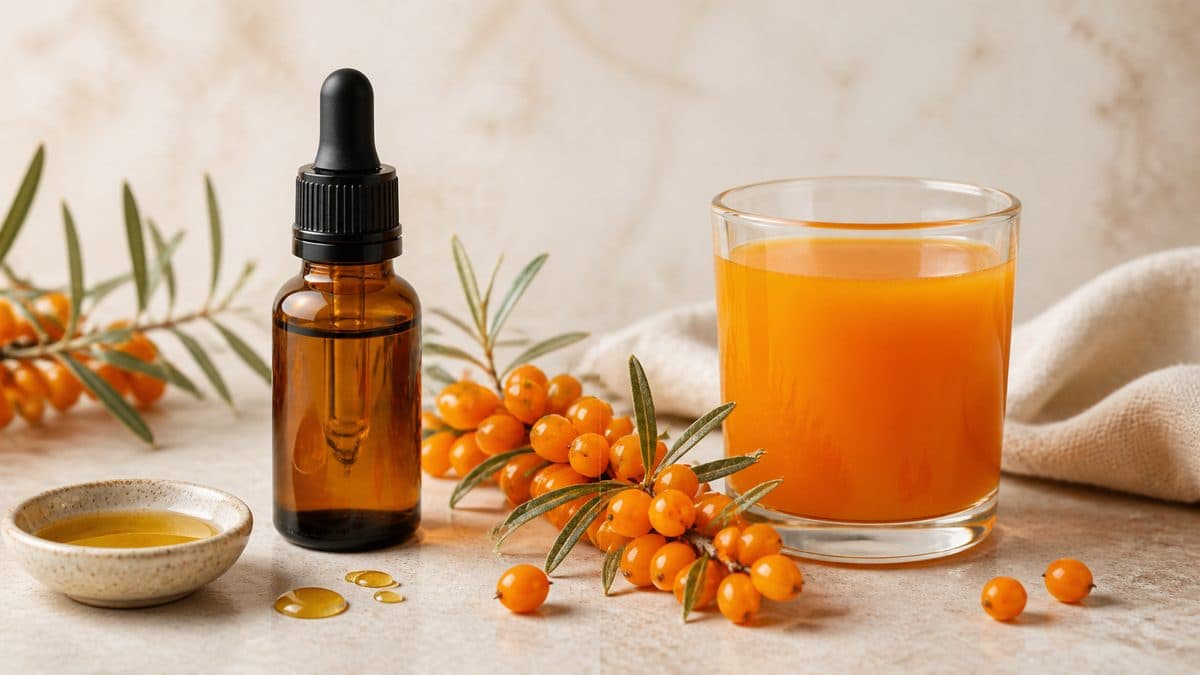
The juice is the pressed fruit. The oil is the fat drawn out of that fruit and its seeds. Same berry, two products that behave nothing alike.
In practice that means juice is a drink you take daily in a measured amount mixed with water, while oil is concentrated, used in very small quantities, and usually either encapsulated or applied to skin. Understanding which one you need is mostly about understanding what you want it for.
How each one is made
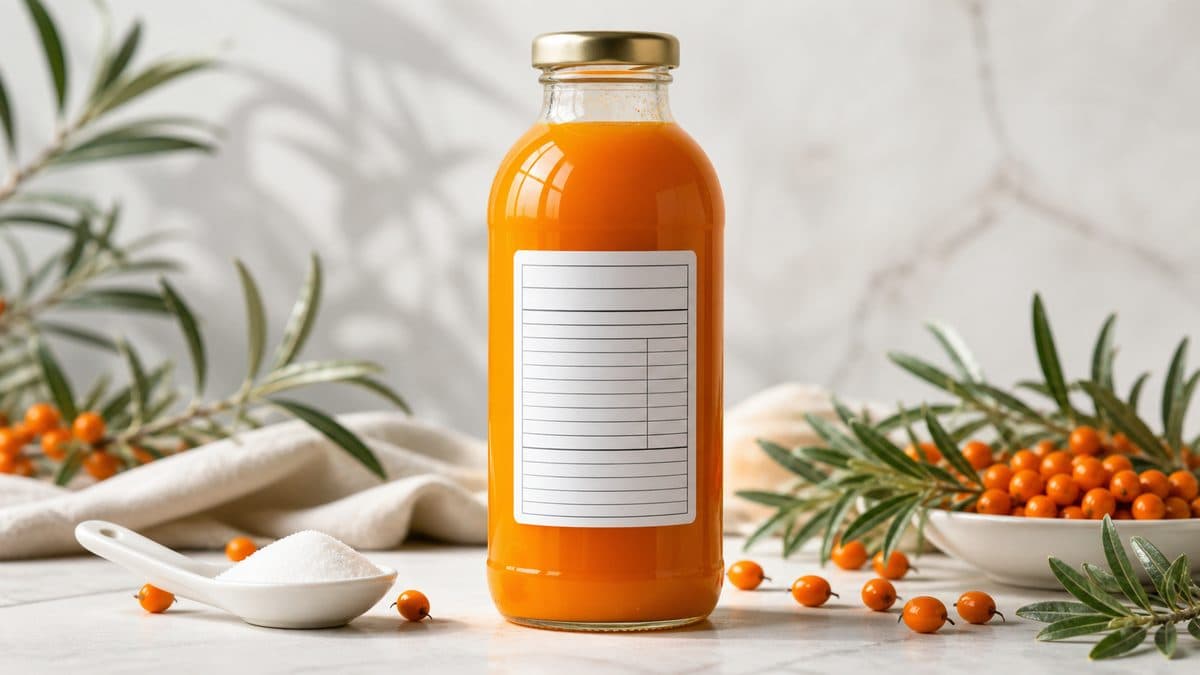
Juice comes from pressing the berries. What you get is the watery part of the fruit along with its dissolved nutrients and its fine solids, which is why a bottle needs shaking before you pour.
Oil is a separate extraction that draws out the fat fraction. Sea buckthorn is unusual because oil is present in two places at once: in the tiny seeds, and in the fleshy pulp and peel of the berry. Those two oils are not the same, which is a distinction worth knowing before you buy.
What Sea Buckthorn juice carries
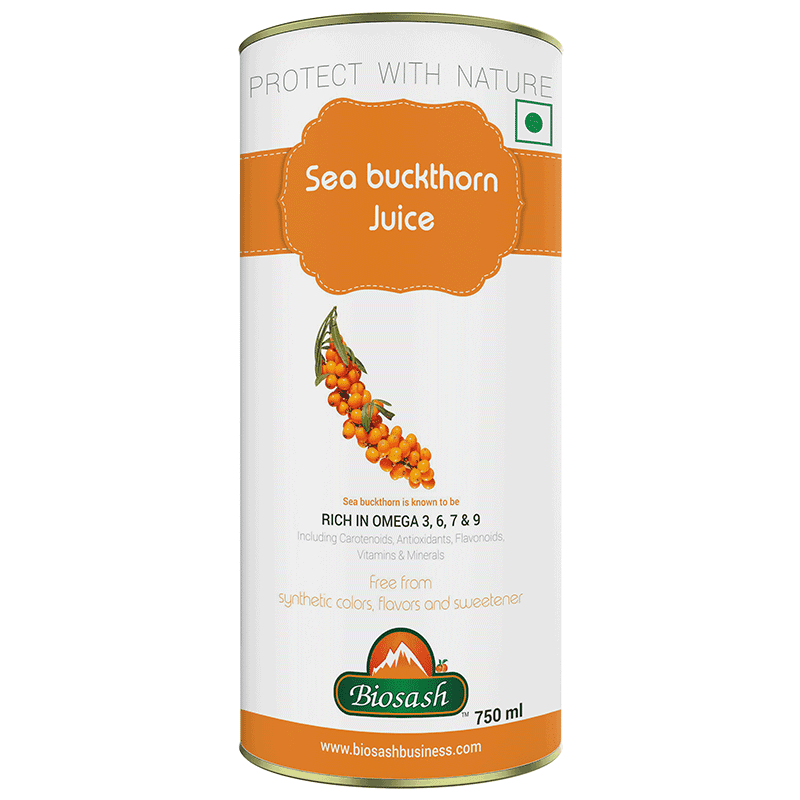
Juice is where the water-soluble side of the fruit ends up. Sea buckthorn is a good source of Vitamin C, and the juice also carries flavonoids and the fruit's natural acids. It is naturally low in sugar, and Biosash juices contain no added sugar and no artificial colours, flavours or sweeteners.
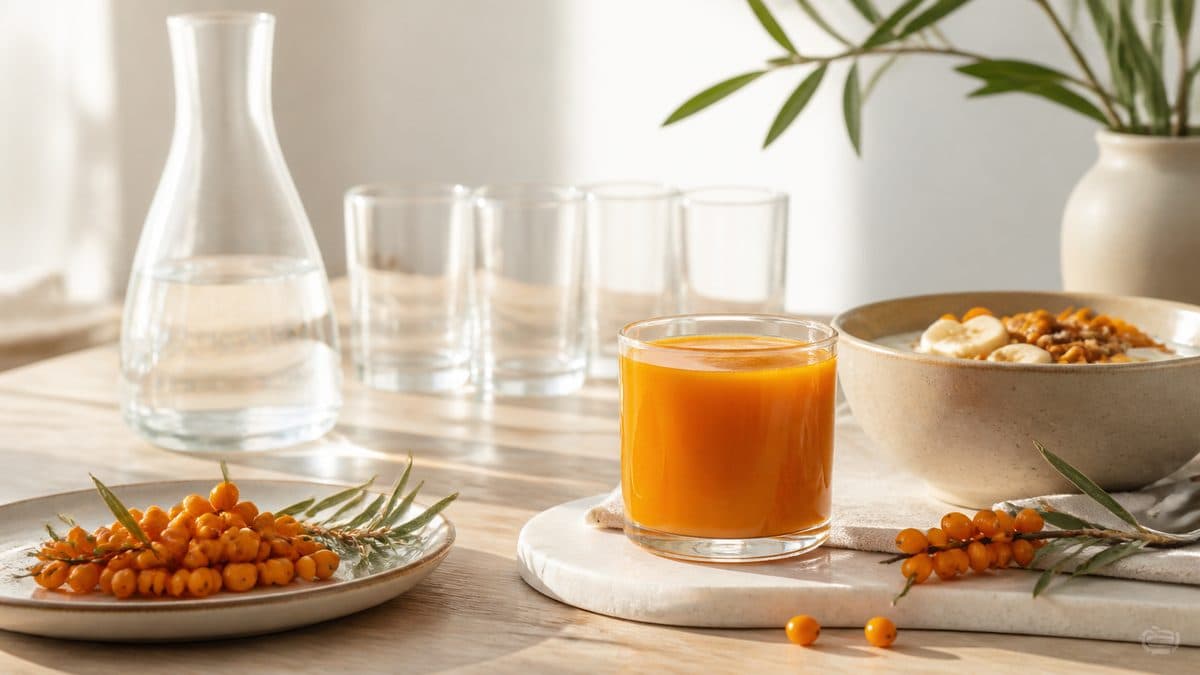
The taste is sharply tangy and quite acidic. That sourness is what the fruit is genuinely like. Biosash's stated usage is around 10 ml morning and evening, mixed into water, about twenty minutes before meals. Neat, it is a difficult drink for most people, so dilution is the norm rather than a preference.
What Sea Buckthorn oil carries
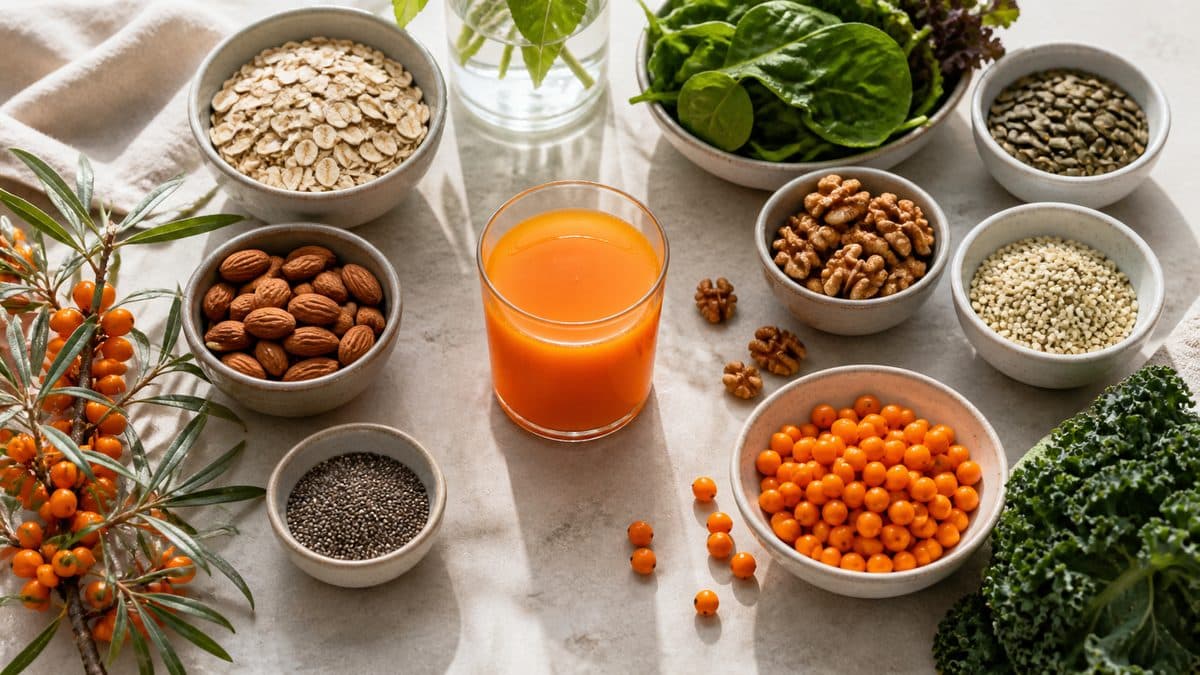
Oil is where the fatty acids live. Sea buckthorn is one of very few plants that contains Omega 3, 6, 7 and 9 together, and it is notably rich in Omega-7, or palmitoleic acid, a fatty acid that is rare in plants. Omega-7 is a fatty acid the body uses in maintaining skin and mucous membranes.
Oil also carries the fat-soluble parts of the berry, which is why it is deeply coloured and why Vitamin E and carotenoids belong to this side of the fruit rather than to the juice.
Seed oil
Seed oil is pressed from the small seeds inside the berry. It is generally lighter in colour and is valued for its fatty acid mix.
Fruit or pulp oil
Pulp oil comes from the fleshy part and the skin of the berry. It is typically a much deeper orange, because that is where the carotenoids are concentrated, and it is the fraction most associated with Omega-7. If a product does not specify which oil it uses, that is a fair question to ask.
Set side by side, the two products line up like this:
| What you are comparing | Sea buckthorn juice | Sea buckthorn oil |
|---|---|---|
| What it comes from | The pressed berries, water fraction and fine solids | The fat drawn from the seeds and the pulp |
| Side of the fruit it carries | Water-soluble: Vitamin C, flavonoids, the fruit acids | Fat-soluble: the Omega fatty acids, Vitamin E, carotenoids |
| Taste | Sharply tangy and acidic | Not made for drinking by the glass |
| Usual format | A measured serving mixed into water | Capsules, or applied to skin |
| Where it lands in a day | Morning and evening, before meals | A supplement pouch or a skincare step |
| Worth checking on the label | Sea buckthorn first in the ingredient list, and no added sugar | Whether it is seed oil, fruit oil, or a blend of the two |
How people use each one
The usage patterns are quite distinct:
- Juice is a daily drink, measured with the cap and mixed into water.
- Oil is taken in capsule form, or applied to skin, and the quantities involved are small.
- Juice is what people build a morning routine around. Oil tends to slot into an evening skincare routine or a supplement pouch.
- Nobody drinks sea buckthorn oil by the glass, and nobody rubs sea buckthorn juice on their face.
Both categories are browsable within the health care range, and the oil-based formats also appear under the skin and beauty heading, which reflects how people shop rather than what any product does.
Choosing one, or using both
Choose juice if you want a nutrient-dense drink as part of your everyday eating, you are comfortable with a sour taste, and you like the structure of a fixed morning and evening habit. It is the more food-like of the two, and it is the easier starting point.
Choose oil if your interest is specifically in the fatty acid side of the berry, particularly Omega-7, or if you want a topical option. It is concentrated, which means a small container lasts a while, and it asks nothing of your palate.
Using both is common enough and perfectly reasonable, though there is nothing to gain from exceeding stated servings on either. If you are pregnant, breastfeeding or on regular medication, speak with your doctor before adding either to your routine.
Storing Sea Buckthorn juice and oil
These two need different handling, and getting it wrong is a quiet waste of money:
- Refrigerate juice once opened and finish it within the period stated on the pack.
- Keep oil away from heat and direct light, since fats do not appreciate either.
- Sea buckthorn oil stains. It will find your clothes, your towels and your bathroom counter if you give it the chance.
- Shake juice before every pour. Settling at the bottom of the bottle is normal.
- Patch test any oil on a small area of skin before applying it more widely.
The bottom line
Neither product is a better version of the other. Juice delivers the water-soluble, Vitamin C rich side of the fruit in a form you drink daily. Oil delivers the fat-soluble side, the fatty acids and the carotenoids, in a form you use sparingly. Biosash sources Himalayan sea buckthorn for both, manufactures under WHO-GMP certified conditions, and has batches tested at a NABL-accredited laboratory. Decide by what you want it for, and the choice stops being confusing. If skin is the reason you are asking in the first place, drinking versus applying takes the question a step further.