Natural Supplements
Omega-7 Explained: The Rare Fatty Acid in Sea Buckthorn
07 Sept 2026 • Riddhi Jain
Omega-7 is a monounsaturated fatty acid, better known by its chemical name palmitoleic acid, and sea buckthorn is one of the few plant sources that carries it in any meaningful way. That single fact explains most of the attention the berry receives.
The other omegas are easy to find. Omega-3 comes from flax, walnuts and fish. Omega-6 is everywhere in cooking oils. Omega-9 is what olive oil is famous for. Omega-7 is the odd one out, and sea buckthorn is one of very few plants that contain Omega 3, 6, 7 and 9 together.
What a fatty acid actually is
Fatty acids are the building blocks of the fats you eat. Some are saturated, some monounsaturated, some polyunsaturated, and the difference comes down to chemical structure rather than anything you can see or taste. The body uses fatty acids as fuel, as raw material for cell membranes, and as part of how it maintains tissues.
The omega number simply describes where a particular bond sits in the chain. It is a naming convention, not a ranking. Omega-7 is not superior to Omega-3, it is just different and much harder to come across in a normal Indian diet.
Why Sea Buckthorn is one of the few plants carrying Omega-7
Most plants build their oils from a fairly standard set of fatty acids, and palmitoleic acid is not usually one of them in quantity. The plant kingdom's better-known Omega-7 sources can be listed on one hand, with sea buckthorn and macadamia being the ones people actually mention. On the animal side, certain fish and fish oils contribute some.
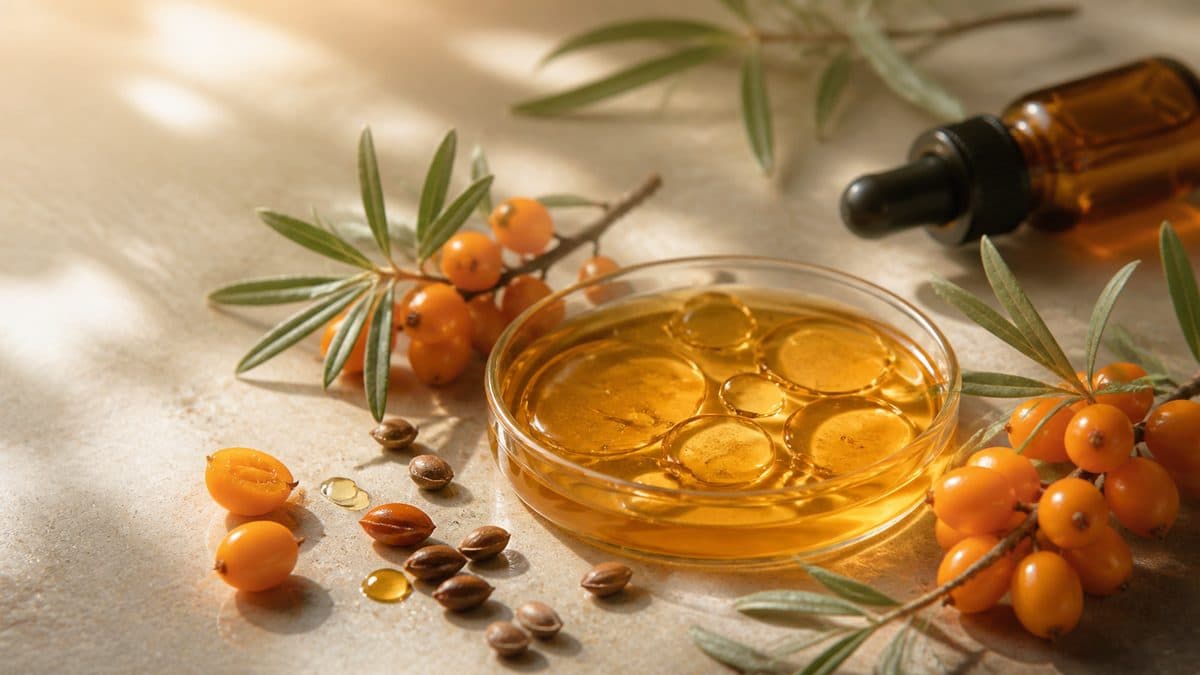
Sea buckthorn is unusual in another way too. The berry stores its oil in two places, the fleshy pulp and the seed, and the two oils have quite different fatty acid profiles. The pulp oil is where the Omega-7 concentration lives, which is why pulp oil and whole-fruit products are what get discussed in this context.
What the body does with it
Fatty acids of this kind are used in the ordinary business of maintaining the body. Omega-7 is a fatty acid the body uses in maintaining skin and mucous membranes, which are the soft linings found throughout the body. That is a nutritional statement, not a medical one, and it is the honest limit of what should be said here.
This is also the reason sea buckthorn shows up so persistently in skin and beauty routines. Skin is built and maintained from what you eat, and dietary fats are part of that raw material. Sea buckthorn oil is used topically as well, which is a separate use of the same fruit rather than a different claim about it.
Sea Buckthorn juice, oil or capsules
Juice
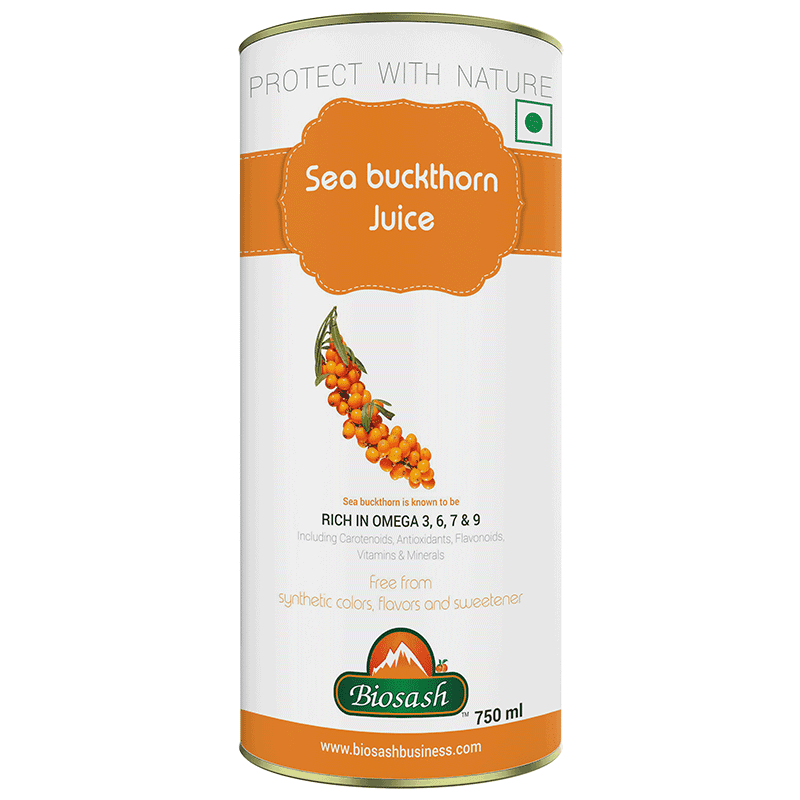
Whole-fruit juice gives you the berry's broader package: the fatty acids, plus Vitamin C, Vitamin E, carotenoids including beta-carotene, and flavonoids. It is also the easiest form to take daily, which is why the whole-fruit bottles in our nutritional juices range are where most people begin. Biosash suggests 10 ml morning and evening, mixed in water, about twenty minutes before meals. The tangy taste is characteristic of the fruit and, since there is no added sugar, nothing is hiding it.
Oil
Pulp oil is the concentrated form and is where Omega-7 is most present. It is used both as a supplement and on the skin, and it is considerably more intense than the juice in flavour and texture. If skin is the reason you started reading about this fatty acid at all, the dietary side of that is worth reading on its own, and we have covered it in a piece on sea buckthorn juice and glowing skin.
Capsules
Capsules exist for people who want the oil without the taste. They are convenient, and convenience matters more than most people admit when it comes to sticking with anything.
What Omega-7 does not do
It is not a treatment for anything. You will find plenty of confident claims online tying this fatty acid to specific medical outcomes, and those claims run well ahead of what anyone should be telling you on a product page. Omega-7 is a nutrient found in food. It belongs in a conversation about diet, alongside the fats you cook with and the fish or nuts you eat, and it sits in our heart wellness range for that dietary reason and no other.
Nor is it something you need to obsess over. A varied diet with a sensible mix of fats matters far more than any single fatty acid. Omega-7 is interesting because it is rare, not because it outranks the rest.
How to find it on a label
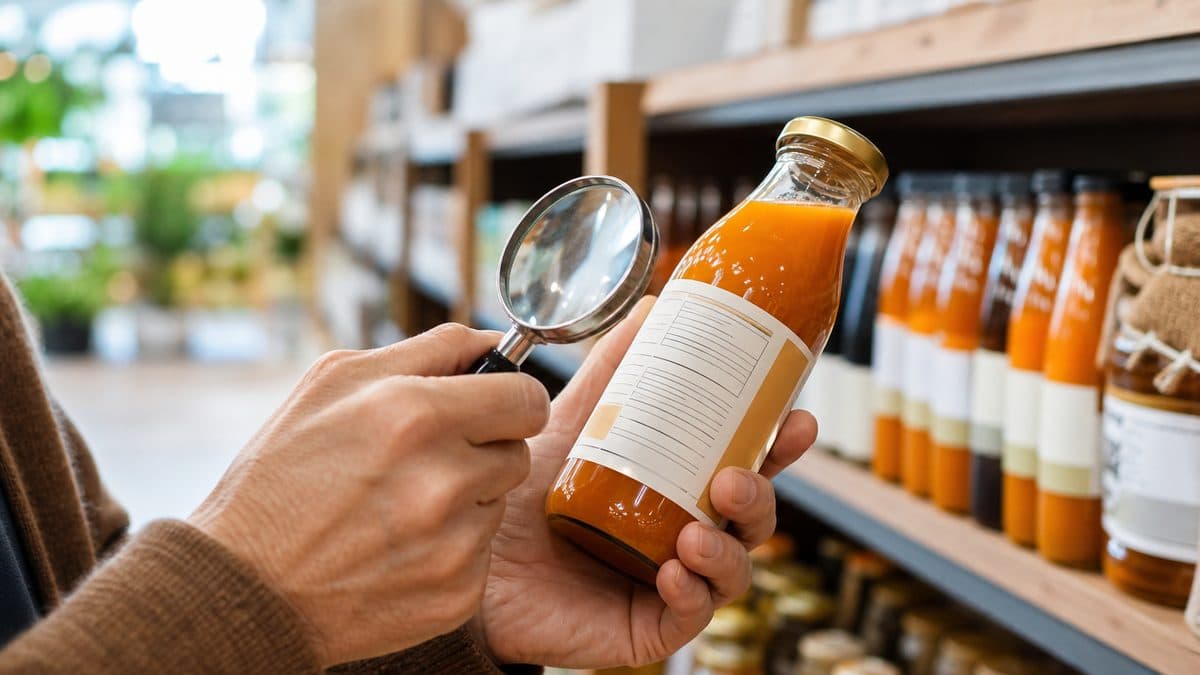
Labels vary, so a few pointers help:
- Look for palmitoleic acid, which is the same thing as Omega-7 under its proper name
- Check whether the product is made from pulp oil or seed oil, since the profiles differ
- See how high sea buckthorn sits in the ingredient list, especially in juices
- Look for manufacturing and testing detail, such as WHO-GMP certified manufacturing and batch testing at a NABL-accredited laboratory
- Be wary of any pack that promises a specific medical outcome
The short version
Omega-7 is a monounsaturated fatty acid that plants rarely produce in quantity, and sea buckthorn is one of the exceptions. That makes the berry a genuinely uncommon food, which is reason enough to be interested without stretching it into anything more. Why this particular fatty acid comes up so often in everyday wellness reading is something we have looked at separately in the Omega-7 connection. If you are considering adding it because of a specific health concern, talk to your doctor first.