Natural Supplements
Sea Buckthorn and Tulsi: A Look at Two Himalayan and Indian Classics
10 Sept 2026 • Riddhi Jain
Tulsi grows in courtyards across the country. Sea buckthorn grows on cold, dry slopes in Ladakh, Himachal Pradesh and Spiti, where almost nothing else survives. One is a fragrant leaf everybody's grandmother used. The other is a sour orange berry most of India has only met recently.
They come from different traditions and different climates, and they bring different things to a routine. What they share is longevity: both have been used for generations, which is usually a sign that people found them worth the trouble.
Two plants, two homes
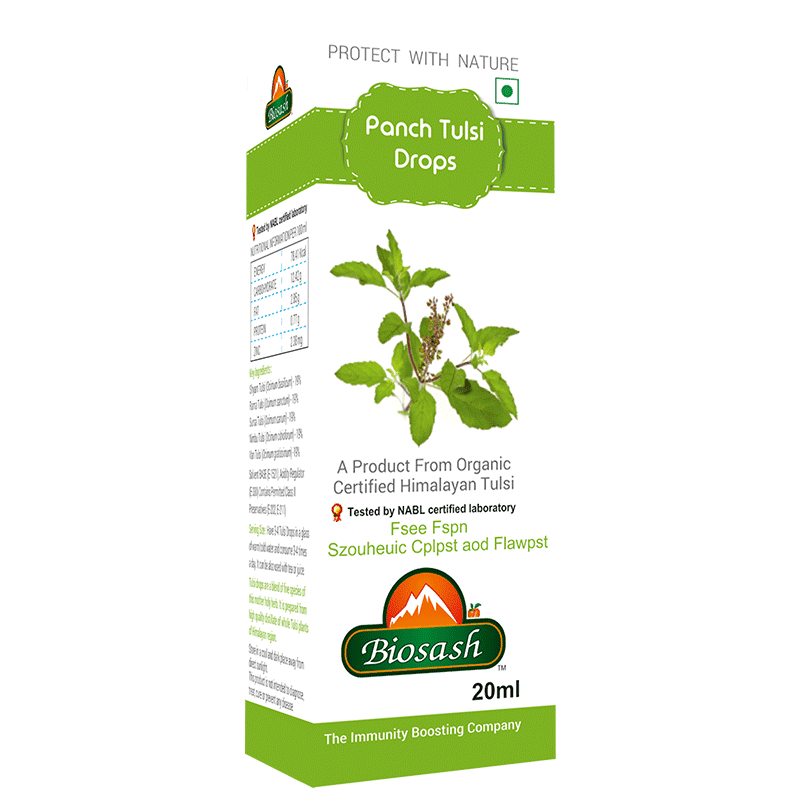
Tulsi is a small aromatic plant of the basil family, grown at the entrance of homes and temples throughout India. Its place in Ayurvedic practice is old and well established, and its place in domestic life is older still. It goes into kadha, into tea, and into the glass of hot water people reach for when the weather turns.
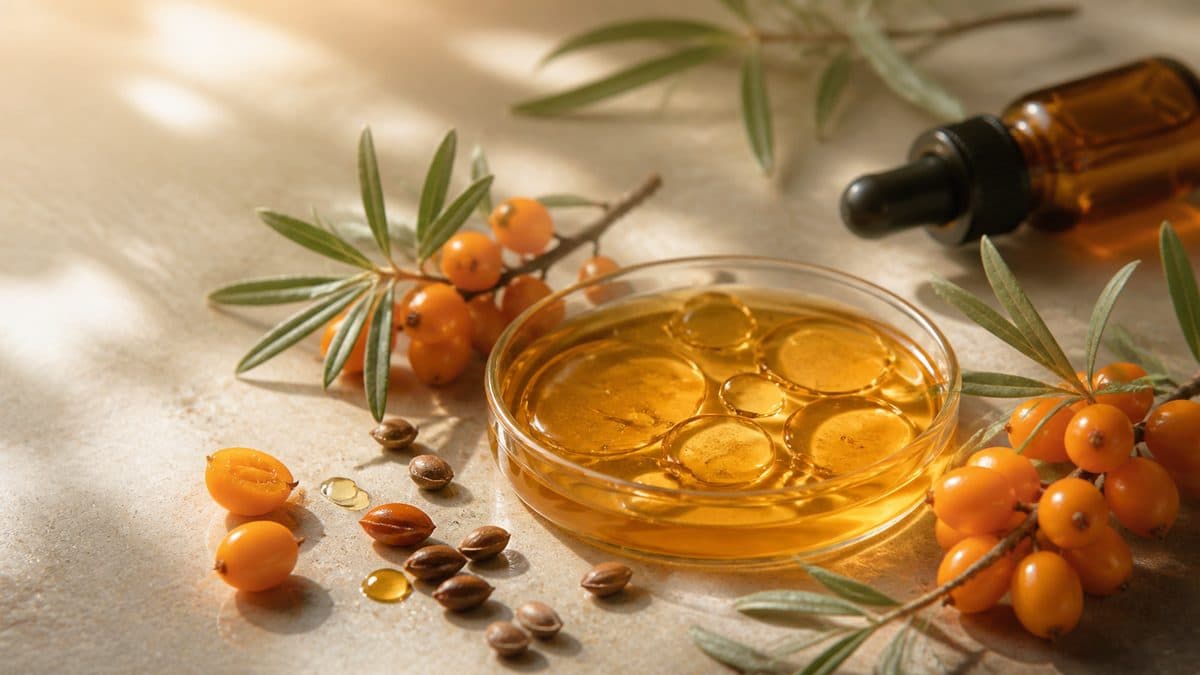
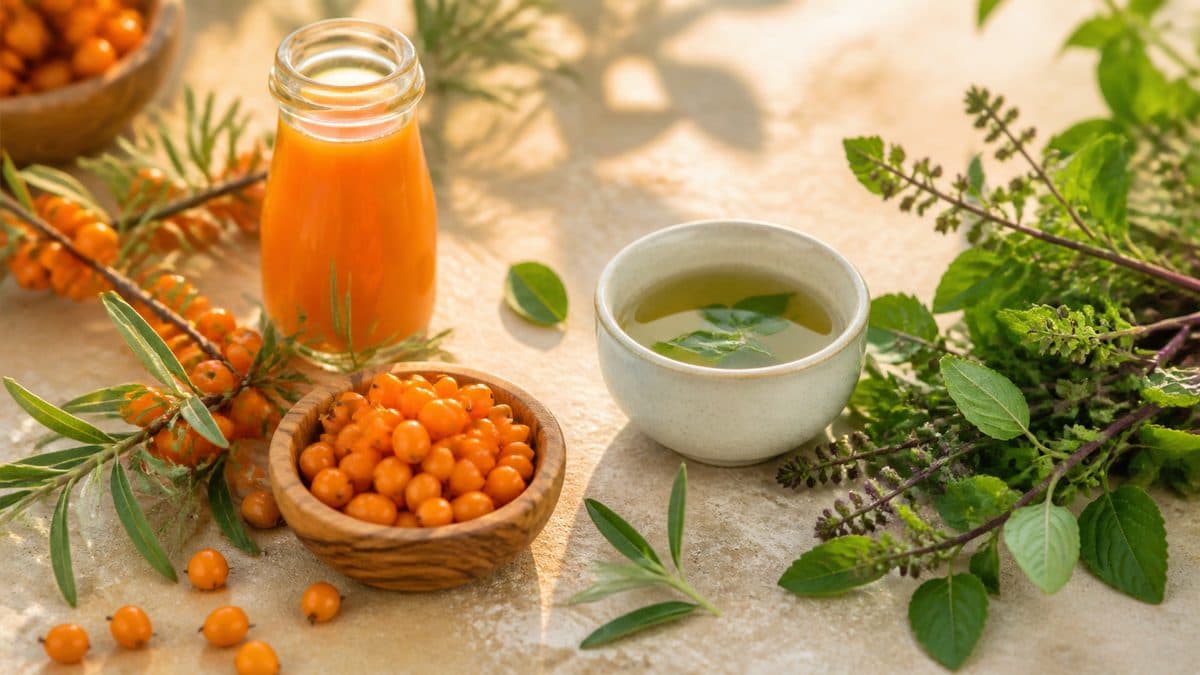
Sea buckthorn (Hippophae rhamnoides) is a thorny shrub of the high Himalaya. In India it is largely a Ladakh, Himachal and Spiti plant, and it has a long history of traditional use in Himalayan, Tibetan and Ayurvedic practice. Outside those regions it stayed relatively unknown until fairly recently, mostly because getting a perishable berry down from that altitude was never simple.
What each one brings
Sea buckthorn
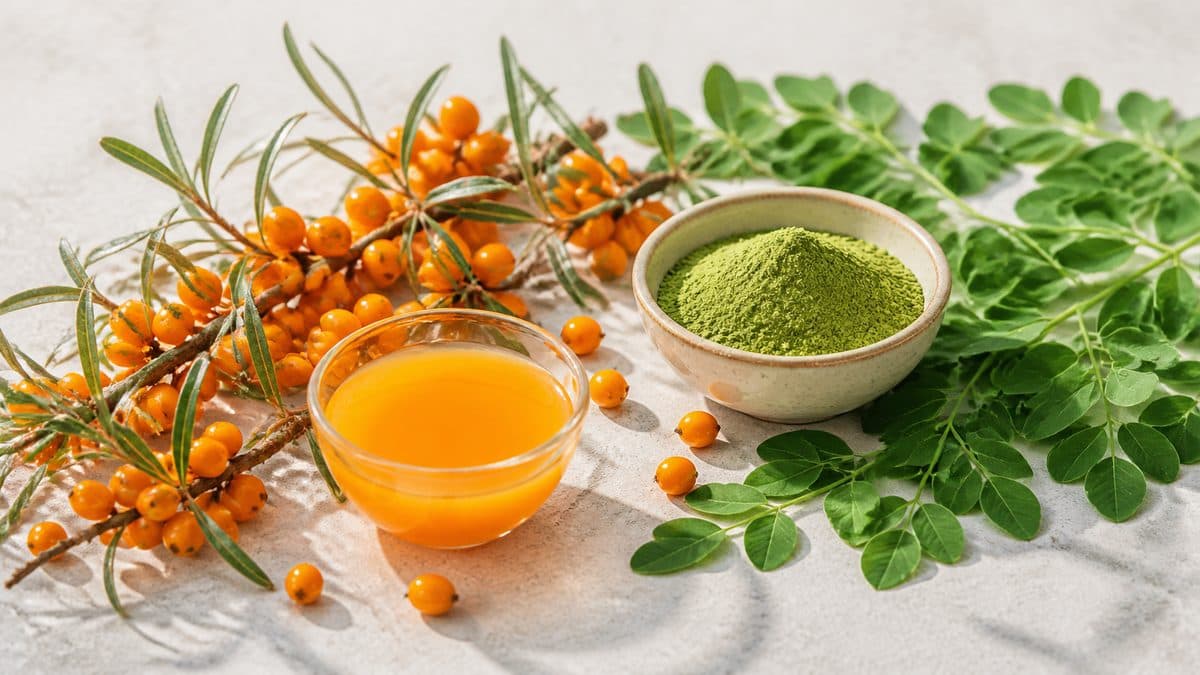
The berry is a good source of Vitamin C, and also carries Vitamin E, carotenoids including beta-carotene, and flavonoids. Its unusual feature is the fat profile: it is one of very few plants that contain Omega 3, 6, 7 and 9 together, and it is notably rich in Omega-7 (palmitoleic acid), which is uncommon in plants. It is naturally low in sugar. If the fruit is new to you, the basics of the juice are worth reading first.
Tulsi
Tulsi is an aromatic herb, and that aroma is the point of it. Its value in traditional practice sits in the leaf and the volatile oils that give it a warm, clove-like, slightly peppery character. It is not a nutrient-dense food in the way a berry is. It is used in small quantities for its qualities as a herb, not as a source of vitamins.
So the two are not interchangeable and were never trying to be. A berry contributing vitamins and fatty acids and an aromatic leaf used in the herbal tradition are doing separate jobs.
How sea buckthorn and tulsi taste together
This is the part people find surprising. Sea buckthorn is sharply sour, an acidity closer to amla than to anything sweet. Tulsi is warm and aromatic with a faint bitterness at the end.
Sour and aromatic is a classic pairing across Indian cooking, and it holds here. The warmth of tulsi takes some of the edge off the tang, and the tang stops the herb tasting flat. If you have ever had lemon and tulsi in the same cup of tea, you already know the shape of it.
A practical caution: heat and tang do not mix well. If you want both in a day, tulsi in something warm and sea buckthorn in cool water is more pleasant than forcing them into one hot cup.
Building a routine around sea buckthorn and tulsi
People generally run them in the same day rather than the same glass:
- Morning. Sea buckthorn juice, around 10 ml mixed into water, roughly twenty minutes before a meal.
- Through the day. Tulsi in tea or hot water, particularly in the weeks when the weather is changing.
- Evening. A second sea buckthorn serving, again diluted, keeping the day's two anchors in place.
The reason this works is not clever combination chemistry. It is that both are easy to attach to things you already do, and habits survive when they have a slot.
Both plants sit in our herbal supplements and Ayurveda range, which is grouped by tradition rather than by claim. They also turn up in the immunity and seasonal wellness sections of the site, because those are the routines people build them into, especially around monsoon and the shift into winter.
Traditional use, and what it does and does not tell you
Both plants come with centuries of use behind them, and that is worth respecting without over-reading. A long tradition tells you people found something useful enough to keep growing, drying and passing down. It is a reason to take a plant seriously. Giloy sits in exactly the same conversation, and how it compares with sea buckthorn follows much the same logic.
It is not, on its own, a claim about treating anything, and neither plant should be approached that way. Nothing here is a substitute for medical care. If you are pregnant, on regular medication or being treated for something ongoing, have a quick word with your own doctor before adding either to your routine.
What to look for when buying
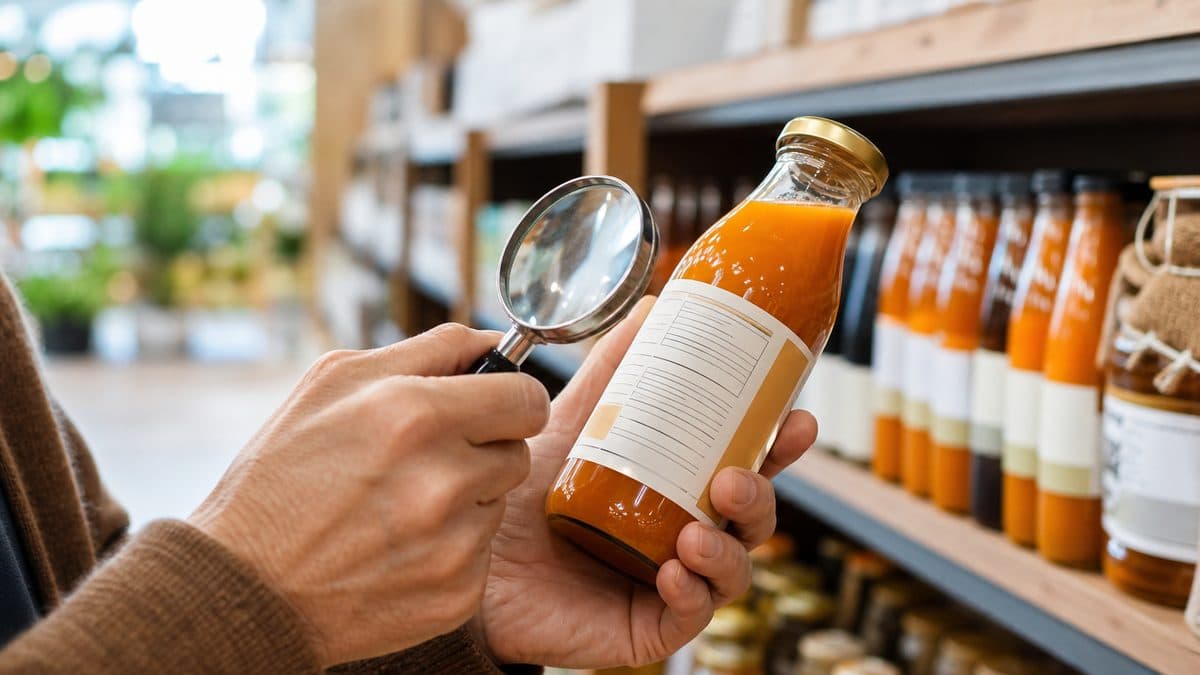
With herbs and berries alike, sourcing and handling decide what is actually in the bottle. Worth asking of any brand:
- Where the raw material comes from, specifically, not just the country.
- Whether manufacturing follows a recognised standard.
- Whether batches are independently tested.
- Whether anything has been added: sugar, colour, flavour, sweeteners.
Biosash sources Himalayan sea buckthorn and manufactures under WHO-GMP certified manufacturing, with batch testing at a NABL-accredited laboratory, and the juices carry no added sugar and no artificial colours, flavours or sweeteners.
Closing thought
Tulsi and sea buckthorn are separated by geography and by the kind of thing they are, one an everyday aromatic leaf and the other a nutrient-dense mountain berry. Used together they cover more ground than either alone, and neither asks much of your day. That is usually the mark of a habit that lasts.