
Energy Drinks
Why Sea Buckthorn Juice Tastes Tangy, and How to Enjoy It
12 Sept 2026 • Amisha Surana
Sea buckthorn juice tastes sharp and sour because the berry is sharp and sour. Hippophae rhamnoides grows in cold, high-altitude country such as Ladakh, Spiti and parts of Himachal Pradesh, and it carries a strong natural acidity along with a good amount of Vitamin C. Press the fruit, bottle it without sugar, and that tang reaches your glass exactly as the plant made it.
So the pucker on your first sip is not a fault, and it is not a sign that your bottle has turned. It is the honest taste of an unsweetened fruit. Once you accept that, the question changes from why is this so sour to how do I drink it comfortably, and that is a much easier problem to solve.
What makes Sea Buckthorn berries this sour
Two things, mostly. The berry has a high natural organic acid content compared with the sweeter fruits most of us grew up drinking, and it is naturally low in sugar, so there is very little sweetness sitting on top to soften the edge. Sweetness is what usually masks acidity in packaged juices. Take it away and the acid stands alone.
Vitamin C plays a part in the impression too. Sea buckthorn is a good source of it, and ascorbic acid reads on the tongue as bright and sour. Growing conditions add the final layer. Fruit that ripens through cold nights and thin mountain air tends to develop a concentrated, assertive flavour rather than a mild one.
The tang is the trade-off for an unsweetened juice
A sea buckthorn drink that tastes smooth and pleasant straight from the bottle is usually telling you something. Either sugar has been added, or the sea buckthorn has been thinned down with cheaper sweet juice, or a sweetener is doing the work. There is nothing mysterious about it, and the label will normally admit it if you read past the front of the pack.
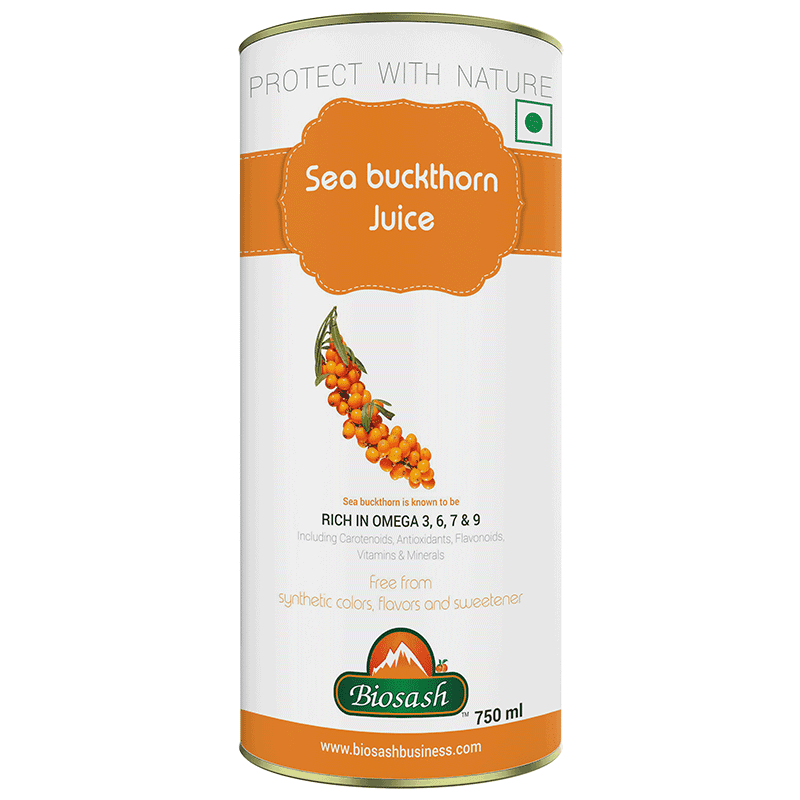
Biosash juices are made without added sugar and without artificial colours, flavours or sweeteners, which is precisely why they taste the way they do. If you compare a few options across our nutritional juices range, treat the sourness as information rather than a nuisance. It tells you the fruit has been left alone.
Simple ways to make your first glass of Sea Buckthorn juice easier
Dilute more than you think you need
Most people who dislike their first glass drank it neat or barely diluted. Start with a small measure of juice in a full glass of water. Biosash's own suggested way of taking it is 10 ml in the morning and 10 ml in the evening, mixed in water, about twenty minutes before meals. You can always use less water later, once the taste stops surprising you.
Serve it cold
Chilled water blunts acidity in a way that room-temperature water does not. Cold also makes the flavour read as refreshing rather than aggressive. Keep the bottle in the fridge and mix with cool water, not hot. If a warm drink is what you are really after, sea buckthorn tea is a different product altogether and worth comparing before you give up on the juice.
Drink it in one go
Long slow sips keep the sourness on your palate for several minutes. A single steady drink is easier, and it is over quickly.
Have something after it
A few sips of plain water afterwards resets your mouth. Some people follow it with a date or a piece of fruit. Both work.
Mixing ideas that respect the juice
You do not need to bury the flavour to enjoy it. These combinations soften the tang without turning your glass into a soft drink, and there are more involved recipes for anyone who enjoys experimenting:
- Plain chilled water, which stays the simplest and most reliable option
- Sparkling water with a couple of mint leaves, for something that feels like a drink rather than a routine
- A little apple or orange juice, if you want natural sweetness without adding sugar
- Coconut water, which brings a mild sweetness and a very different mouthfeel
- Stirred into a smoothie, where the tang works well against banana or curd
What not to do
A few habits genuinely spoil the experience. Do not stir in spoonfuls of sugar, because at that point you have made the sweetened juice you were trying to avoid. Do not mix it into very hot water or hot milk, since heat is not kind to delicate nutrients and acidic juice can curdle dairy. Do not leave an opened bottle sitting out of the fridge, because storing it properly is most of what keeps the taste consistent. And do not judge the whole product on one undiluted mouthful taken on an empty stomach at speed.
Your palate adjusts faster than you expect
The first few days are the hardest. After that, most people find the sourness settles into something they recognise and stop noticing it as a problem. It is the same adjustment that happens with black coffee, unsweetened curd or bitter gourd. Taste is a habit, and habits move.
One practical note on that adjustment: a bottle that has been stored properly tastes consistent from the first glass to the last. Sea buckthorn juice naturally settles, so shake it before pouring, keep it refrigerated once opened, and finish it within a reasonable time. Our notes on freshness cover the storage side in more detail, and it is worth a read if you have ever wondered why a juice tasted different halfway through the bottle.
When the tang tells you to slow down
Acidic drinks do not suit everybody at every time of day. If a tangy juice on an empty stomach feels uncomfortable, take it with or just after food instead, and use more water. If you have an existing condition or take regular medication, have a quick word with your doctor before adding anything new to your routine.
Sourness is part of what sea buckthorn is. Dilute it well, keep it cold, drink it steadily, and give yourself a couple of weeks. Most people who stick with it end up preferring the tang to anything sweeter.