Natural Supplements
Omega 3, 6, 7 and 9 in Sea Buckthorn: What Each One Actually Does
15 Sept 2026 • Riddhi Jain
Sea buckthorn is one of the very few plants that carries Omega 3, 6, 7 and 9 in the same berry. Most foods give you one or two of them. This small orange fruit from the high Himalayas carries all four, and that single fact is the reason it keeps turning up in nutrition conversations.
Having four omegas together is interesting, but it only means something once you know what each one is. So here is the plain version: what the four fatty acids are, what the body uses them for in general nutritional terms, and where they actually sit inside a berry that grows where almost nothing else does.
Why one Sea Buckthorn berry carries all four omegas
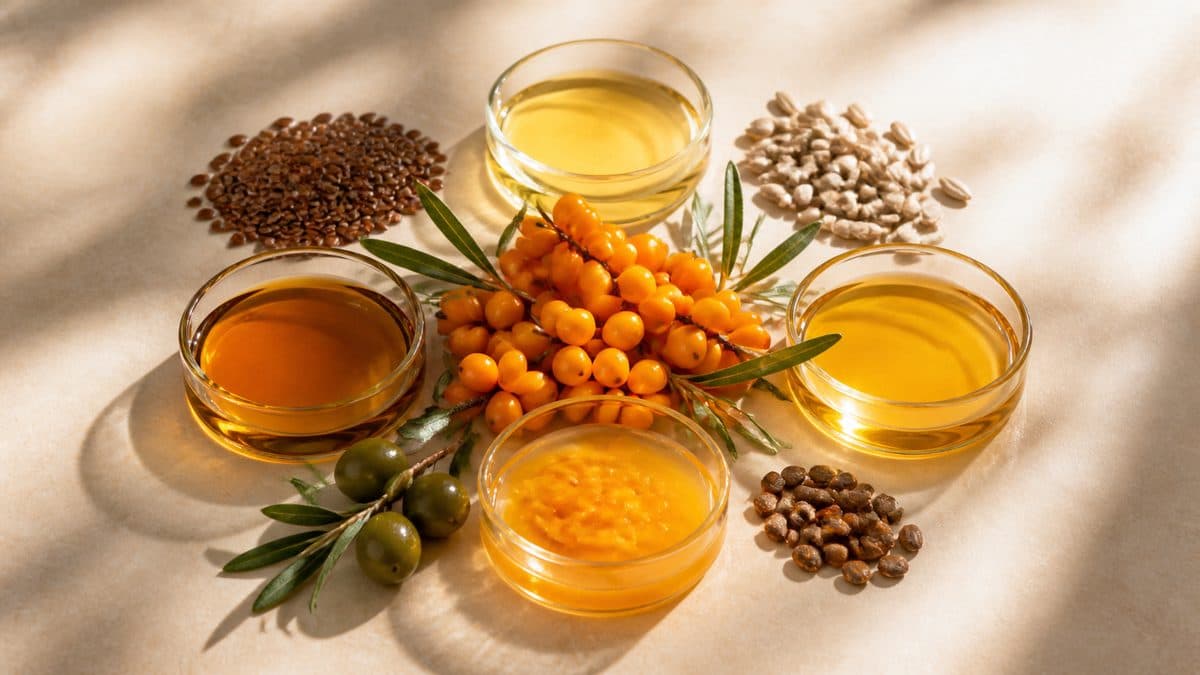
Fatty acid sources are usually specialists. Flaxseed is known for Omega-3. Sunflower and safflower oils are heavy on Omega-6. Olive oil is the classic Omega-9 source. Omega-7 is the rare one, uncommon in the plant world altogether.
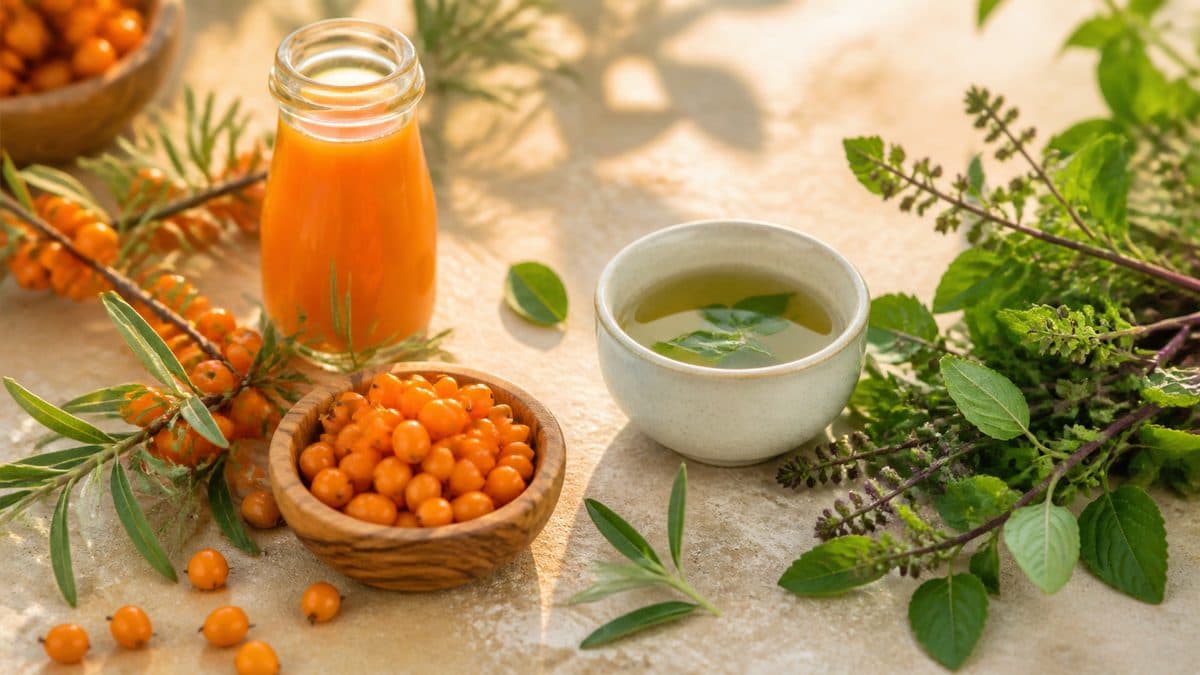
Sea buckthorn does not specialise. It stores fat in the pulp of the fruit as well as in the seed, which is itself unusual, since most berries keep their oil in the seed alone. That split is part of why the profile ends up so broad. The plant grows in cold, dry, high-altitude country, largely Ladakh, Himachal Pradesh and Spiti in the Indian context, and it has to survive thin air, hard sun and brutal winters on very little water.
The four omegas, one at a time
Omega-3 (alpha-linolenic acid)
This is an essential fatty acid, which in nutrition has a specific meaning: the body cannot manufacture it, so it has to come from food. Omega-3 fats are used structurally, in the membranes of cells all over the body. Indian kitchens are rarely short on fat overall, but the common cooking oils tend to lean away from Omega-3, so it is the one people most often look for in what they eat.
Omega-6 (linoleic acid)
The other essential fatty acid, and also structural. Linoleic acid plays a part in the skin's outer barrier, the layer that holds moisture in. Scarcity is almost never the problem with Omega-6 in a modern diet, since refined cooking oils supply plenty of it. Proportion is the more interesting question, which is why a food carrying several omegas together is worth a look rather than one that floods you with a single fat.
Omega-7 (palmitoleic acid)
This is the one people mean when they call sea buckthorn unusual, and it is worth understanding on its own terms. Palmitoleic acid barely appears in plants in any meaningful quantity. The body uses it in maintaining skin and mucous membranes, the soft linings found in places like the mouth, nose and digestive tract. In sea buckthorn it sits mainly in the pulp oil rather than the seed, and it is the reason the berry has a reputation in both nutrition and skincare rather than only one of the two.
Omega-9 (oleic acid)
Oleic acid is the fat that made olive oil famous. Unlike Omega-3 and Omega-6, the body can make Omega-9 for itself, so it is not classed as essential. It is still worth having on the plate. It is monounsaturated and relatively stable, and on skin it is a large part of why sea buckthorn oil feels soft and cushioned instead of dry.
The balance is the point, not any single fat
It is tempting to read a list like that and go hunting for the strongest one. Nutrition does not really work that way. Fatty acids are raw material, and the body draws on a mix rather than one hero ingredient. What makes sea buckthorn worth knowing about is not that it beats flaxseed at Omega-3 or olive oil at Omega-9, because it does not. It is that a single fruit contributes across the range, including the omega that is hardest to find in plants. That spread is also why Omega-7 turns up so often in the heart wellness conversation around this berry.
The berry is not only fat, either. It is a good source of Vitamin C and also carries Vitamin E, carotenoids including beta-carotene, and flavonoids. Whole foods arrive as packages, and this one happens to be a well-stocked package.
Juice, capsule or oil: where Sea Buckthorn's omegas end up
Because the fat is spread between pulp and seed, different formats carry different things. Cold-pressed pulp oil is where Omega-7 is concentrated, which is why oils and skincare made from sea buckthorn are used the way they are on our skin and beauty pages. Juice pressed from the whole berry gives you the water-soluble side, the Vitamin C and flavonoids, along with some of the fruit's own oil. Capsules concentrate the oil into a fixed daily format for people who cannot get along with the taste.
Set the three formats side by side and the differences become easier to hold on to.
| Format | What it mainly carries | What taking it is like | Who tends to choose it |
|---|---|---|---|
| Whole-berry juice | The water-soluble side of the fruit, Vitamin C and flavonoids, along with some of the berry's own oil | Sharply tangy, taken diluted in water | People who want the fruit close to whole form as a daily habit |
| Oil capsule | Concentrated fruit oil, including the Omega-7 fraction | No taste to manage, swallowed like any capsule | People who cannot get along with the sourness |
| Cold-pressed pulp oil | The pulp fraction, where Omega-7 is most concentrated | Deep orange and thick, used on skin as well as in food | People building a skincare routine around the berry |
None of the three is a better version of the others. They are simply different parts of the same fruit, prepared differently, and the choice usually comes down to whether you are thinking about food or about the skin side of a routine.
Fitting Sea Buckthorn juice into a normal Indian routine
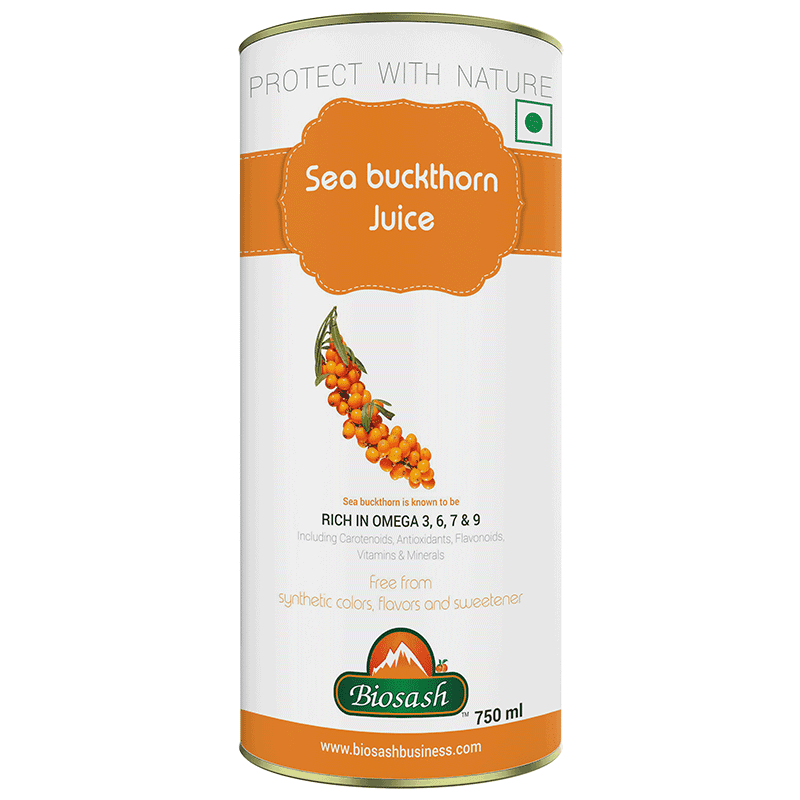
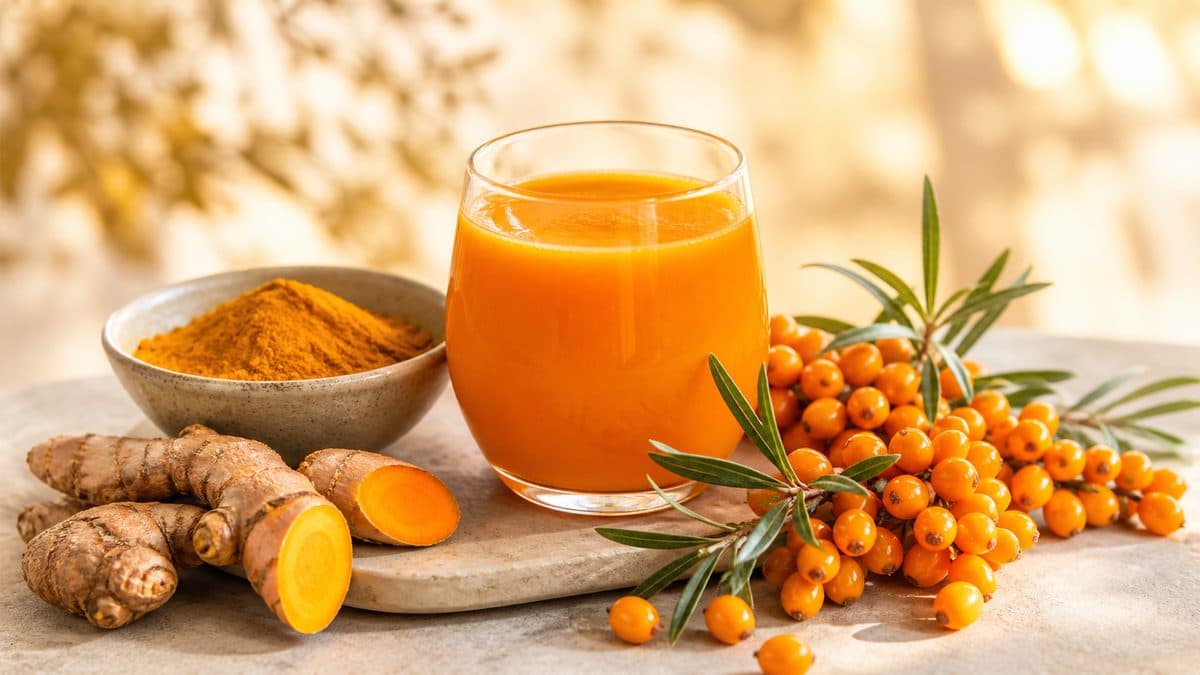
Sea buckthorn juice is genuinely sour. That tang is characteristic of the fruit and not a fault in the bottle, and it catches most people out the first time. Biosash suggests around 10 ml morning and evening, mixed into water, roughly twenty minutes before meals. Diluting well makes the acidity far easier to live with, and taking it at fixed times is what turns it into a habit instead of a bottle you finish in a year.
Our nutritional juices are made with no added sugar and no artificial colours, flavours or sweeteners, so the sourness you taste is the fruit. The same juice also appears in the healthy heart section of the site, where products are grouped by the routines people build around them rather than by any claim about what they do.
A sensible expectation to hold
Sea buckthorn is food. It contributes nutrients to a diet, and that is the honest frame for it. It does not replace vegetables, sleep, movement or anything your doctor has told you to do, and if you are on regular medication or being treated for something, run any new addition past your own doctor first.
What the four omegas really tell you is that this is an unusually complete little fruit for the conditions it grows in. Knowing which fat sits where, and in which format, is what lets you choose between a juice, a capsule and an oil without guessing.